
How to Plan Balanced Meals Without Stress: A Simple Guide
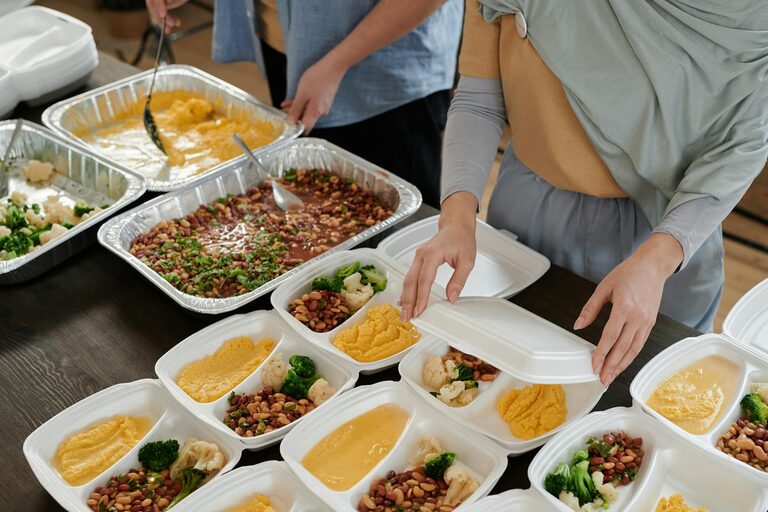
Planning balanced meals can seem like a daunting task, especially with busy schedules and countless food options. But eating well doesn’t have to be stressful or complicated. With a little preparation and guidance, you can enjoy nutritious, satisfying meals that support your health and fit your lifestyle. In this post, we’ll explore practical steps to help you plan balanced meals without the usual hassle.
What Is a Balanced Meal?
Before diving into meal planning, it’s important to understand what makes a meal balanced. A balanced meal typically includes:
– Proteins: Help build and repair tissues. Sources include lean meats, fish, beans, tofu, and dairy.
– Carbohydrates: Provide energy. Choose whole grains, fruits, and vegetables.
– Fats: Support cell health and hormone production. Opt for healthy fats like nuts, seeds, avocados, and olive oil.
– Vitamins and minerals: Found in a variety of fruits and vegetables.
– Fiber: Important for digestion, found in fruits, vegetables, and whole grains.
Balancing these components ensures your body gets essential nutrients and keeps you feeling full and energized.
Why Plan Meals?
Meal planning helps you:
– Save time and reduce daily decision-making.
– Avoid last-minute unhealthy choices.
– Manage food budgets and reduce waste.
– Improve overall nutrition and health.
The key is to keep plans flexible and simple to avoid adding pressure to your routine.
Steps to Plan Balanced Meals Without Stress
1. Assess Your Lifestyle and Preferences
Start by considering your daily schedule, work hours, cooking skills, and food likes and dislikes. This will guide the type of meals you prepare. If you’re often short on time, focus on quick and easy recipes. If you enjoy cooking, you might try batch cooking or meal prepping.
2. Use a Basic Meal Framework
Create a simple outline for your meals, such as:
– Breakfast: Protein + complex carbs + fruit or veggies
– Lunch: Protein + whole grains + vegetables
– Dinner: Lean protein + vegetables + healthy fat + whole grains or starchy veggies
– Snacks: Nuts, yogurt, fruit, or veggies with hummus
This framework is flexible and can be adjusted based on your preferences and nutritional needs.
3. Plan Weekly Menus
Take 10–15 minutes each week to plan your meals. Write down a rough menu including breakfast, lunch, dinner, and snacks. This doesn’t have to be detailed—just main components and ideas.
For example:
– Monday: Grilled chicken, quinoa, and roasted vegetables
– Tuesday: Lentil soup with whole-grain bread and salad
– Wednesday: Stir-fried tofu with brown rice and steamed broccoli
By planning ahead, you reduce the stress of daily meal decisions.
4. Make a Smart Grocery List
Once your menu is set, create a grocery list based on ingredients needed. Group items by category (fresh produce, dairy, grains, proteins) to make shopping quick and efficient. Stick to your list to avoid impulse buys.
5. Prepare in Batches
If possible, cook larger portions of staples such as grains, beans, or grilled proteins and store them in the fridge or freezer. This way, you can quickly assemble meals during the week without starting from scratch each time.
6. Keep Simple, Healthy Staples On Hand
Stock your kitchen with healthy basics to make meal prep easier:
– Frozen vegetables
– Canned beans and tomatoes
– Whole grains like brown rice and oats
– Eggs and Greek yogurt
– Nuts and seeds
– Fresh fruits and vegetables
These ingredients work well in various recipes and help you avoid relying on processed foods.
7. Listen to Your Body and Adjust
Meal planning isn’t about strict rules. Pay attention to what feels good for your body. Some days you might want a lighter meal, other times something heartier. Adjust portions and ingredients as needed.
Quick Tips for Stress-Free Balanced Meals
– Start small: Plan just a few meals a week and build from there.
– Use leftovers: Reinvent leftovers into new dishes to save time.
– Try one-pot meals: These save time on cooking and cleaning.
– Limit complicated recipes: Choose meals with straightforward steps.
– Prep veggies ahead: Chop and store vegetables for easy access.
Sample Balanced Meal Ideas
Here are simple meal examples that fit the balanced framework:
– Breakfast: Greek yogurt with berries, a drizzle of honey, and a sprinkle of granola.
– Lunch: Turkey and avocado wrap with whole grain tortilla and mixed greens.
– Dinner: Baked salmon with sweet potato and steamed asparagus.
– Snack: Apple slices with almond butter.
Final Thoughts
Planning balanced meals doesn’t have to be stressful or overwhelming. By understanding the basics, creating a workable plan, and keeping things simple, you can enjoy nutritious meals that support your health and fit your lifestyle. Remember, flexibility is key—allow yourself room to experiment, adjust, and enjoy the process.
Happy meal planning!