
Tips for Keeping Your Houseplants Healthy and Thriving
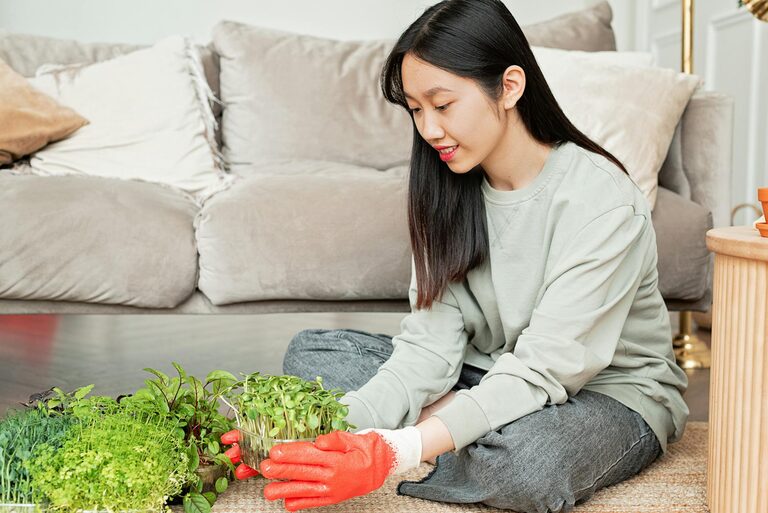
Bringing houseplants into your home not only adds beauty but also enhances air quality and creates a calming environment. However, keeping these green companions healthy requires some attention and care. Whether you are a seasoned plant parent or a beginner, these tips will help ensure your houseplants thrive.
Understanding Your Plant’s Needs
Each type of houseplant has unique requirements for light, water, temperature, and soil. Start by researching your specific plant species. Knowing whether your plant prefers bright sunlight or indirect light, moist soil or dryer conditions will prevent common care mistakes.
Light Requirements
– Bright Light: Succulents and cacti thrive near sunny windows.
– Indirect Light: Plants like pothos and peace lilies prefer filtered light.
– Low Light: Some plants, such as snake plants and ZZ plants, tolerate darker corners.
Place your houseplants accordingly to ensure they receive the appropriate light daily.
Watering Wisely
Watering is one of the most common challenges in plant care. Both overwatering and underwatering can harm your plants.
Tips for Proper Watering
– Check soil moisture before watering by sticking your finger about an inch deep; if it feels dry, it’s time to water.
– Use room-temperature water to avoid shocking roots.
– Water until it drains out of the bottom of the pot to ensure thorough hydration.
– Avoid letting plants sit in standing water as this can cause root rot.
– Adjust watering frequency based on seasons—less in winter, more in growing seasons.
Choosing the Right Soil and Pots
Healthy roots are critical for plant growth. Use potting soil formulated for indoor plants, which typically offers good drainage and aeration.
Pot Selection Tips
– Ensure your pots have drainage holes.
– Consider materials like terracotta that allow moisture evaporation.
– Repot plants every 1-2 years to refresh soil and accommodate growth.
Maintaining Humidity and Temperature
Most houseplants originate from tropical or subtropical climates and appreciate consistent warmth and humidity.
How to Support Ideal Conditions
– Keep plants away from cold drafts, heaters, or air conditioners.
– Increase humidity by misting leaves, using a humidifier, or grouping plants together.
– Maintain indoor temperatures between 65°F and 75°F (18°C to 24°C).
Fertilizing Your Plants
Indoor plants need nutrients to grow just like outdoor plants.
Fertilizing Guidelines
– Use a balanced, water-soluble fertilizer designed for houseplants.
– Feed plants every 4-6 weeks during spring and summer.
– Avoid fertilizing in winter when many plants are dormant.
Pest Prevention and Management
Houseplants can occasionally attract pests such as spider mites, aphids, or mealybugs.
Preventive Measures
– Inspect plants regularly for signs of pests or damage.
– Clean leaves with a damp cloth to remove dust and potential pests.
– Isolate new plants before introducing them to your collection.
Natural Pest Control
– Use insecticidal soap or neem oil for mild infestations.
– Avoid harsh chemical pesticides indoors to protect your living space.
Regular Plant Maintenance
Routine care keeps plants healthy and attractive.
Maintenance Tasks
– Prune dead or yellowing leaves to encourage new growth.
– Rotate plants occasionally so all sides receive light.
– Wipe dust off leaves to enhance photosynthesis.
Troubleshooting Common Issues
Understanding common plant problems can help you act quickly.
Yellow Leaves
Often caused by overwatering or poor drainage.
Wilting
May indicate underwatering, low humidity, or root damage.
Brown Leaf Tips
Usually a sign of dry air or inconsistent watering.
By paying attention to these signs and adjusting your care routine, you can help your houseplants flourish.
Conclusion
Caring for houseplants is a rewarding hobby that brings life and color indoors. By understanding each plant’s needs, watering properly, providing suitable light, and paying attention to their environment, you can keep your houseplants healthy and thriving for years. Remember that patience and regular observation are key to successful indoor gardening.
Happy planting!